By Anastasia M (11th G)
Dear Readers,
As we head into the holiday season. Everyone’s going home to spend time with family and grandparents. I’d like to share a little about my family history and a bit about two great smog that happened 70 years apart in two parts of the world.
Two Smogs, Seventy Years Apart: Let’s Not Let History Repeat Itself
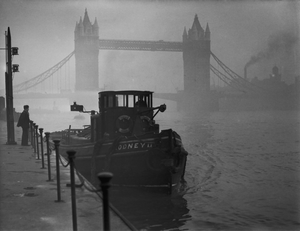
In December 1952, Londoners woke up to a fog unlike any they had seen. For five days, a thick yellow-black cloud settled over the city. People could barely see their own feet, buses crawled behind guides carrying torches, and hospitals filled with people struggling to breathe. The government at the time estimated about 4,000 deaths. Modern researchers believe the true number was closer to 10,000 to 12,000.
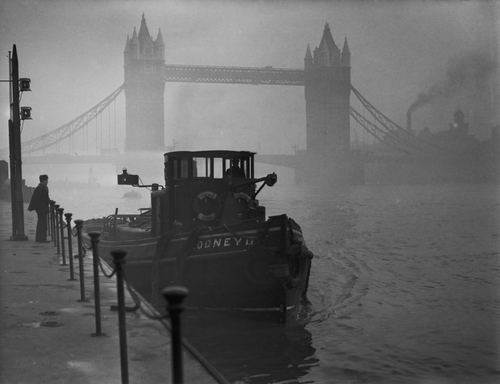
The Great Smog of London, November 1952
Seventy-two years later, in November 2024, the same kind of disaster struck Lahore, Pakistan. Its air quality index climbed past 1,000. Anything above 300 is considered hazardous, so this was more than three times past the top of the scale. Schools across Punjab closed, outdoor sports were banned, and millions of people were told to stay indoors.
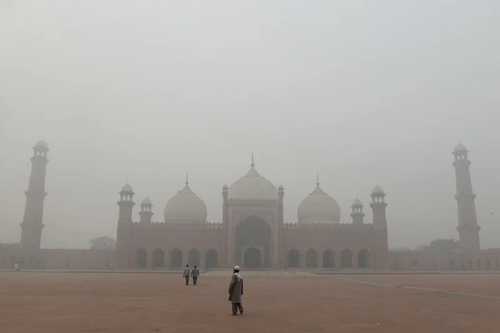
The Great Smog of Lahore, December 2024
The Same Trap
The two smogs had different fuels but the same cause. London burned coal in homes and power stations during a cold snap. Lahore’s air was filled with smoke from crop burning, traffic, brick kilns, and factories. In both cities, the weather sealed the smoke in place. On cold, calm days, a layer of warm air can sit on top of cooler air near the ground. Scientists call this a temperature inversion. It works like a lid, trapping pollution right where people breathe. Without wind to clear it, the smoke has nowhere to go.
London Showed Us the Fix
What happened next is the most important part of London’s story. In 1956, Britain passed the Clean Air Act. It created smoke-free zones, moved power stations away from cities, and paid families to switch from coal to cleaner heating. The law went after the source of the pollution, not just its symptoms, and London never again suffered a smog that deadly.
Today, much of South Asia is still treating the symptoms. Closing schools and telling people to stay indoors protects lungs for a few days, but the smoke returns every autumn, and it came back again in November 2025. London proved that clean air is possible when governments are willing to change how cities are powered and how fields are cleared. The rest of the world needs to follow its example.
Why Lahore Matters to Me
This story is personal. My grandpa lived in Lahore from 2002 to 2024. Lahore is one of the oldest and most beautiful cities in South Asia, home to more than a thousand years of history. Its Lahore Fort and Shalimar Gardens are UNESCO World Heritage Sites, and the Badshahi Mosque has stood for over three centuries. A city with that much history and life deserves air its people can breathe.
The Great Smog of London taught the world a hard lesson seventy years ago. We already know what causes these disasters, and we already know how to stop them. Let’s not let history repeat itself again.
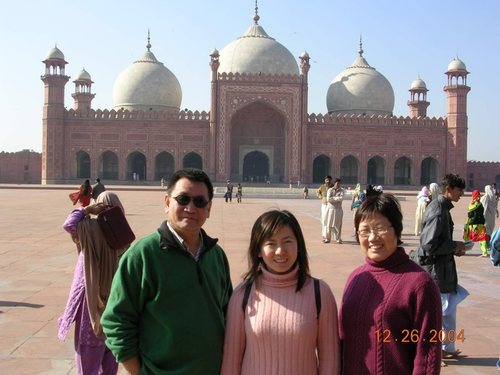
My mom, grandpa and grandma in Lahore December 2004, twenty years before the event when the sky was perfectly blue.