Interviewed by Ellie S.
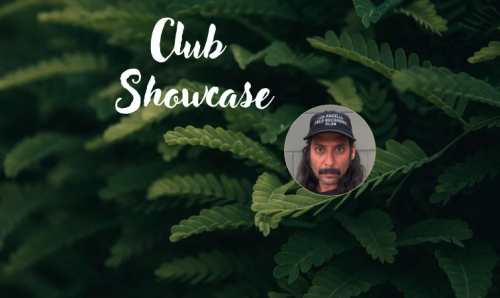
George Jensen is a Los Angeles–based artist, field recordist, and organizer focused on listening as a creative and communal practice. He runs the Los Angeles Field Recording Club, an open group dedicated to exploring sound across the city through outdoor recording outings, listening sessions, and collaborative projects. He also co-hosts Quietudes on Dublab, a radio show centered on ambient and exploratory sound.
What is the official name of the club, and what is your primary mission?
The official name is the Los Angeles Field Recording Club.
Our primary mission is to create spaces for people to listen more deeply to their environment and to each other through field recording. We organize outings, listening sessions, and collaborative projects that explore sound as a way of understanding place, ecology, and community.
How many members do you have, and what is the typical “vibe” of a meeting?
The club has a growing community of a few hundred participants, with smaller groups typically attending outings and events.
The vibe is welcoming, curious, and low-pressure. Some people come with full recording setups, others just bring their phones. It’s a mix of quiet observation, technical curiosity, and shared exploration.
What specific branches of science do you focus on?
We’re not a formal science organization, but our work overlaps with acoustic ecology, environmental science, urban studies, and bioacoustics.
Through recording and listening, members engage with ecosystems, human-made environments, and the relationship between sound and place.
What is the most ambitious project the club has tackled this year?
One of our most ambitious projects is building a sound map of Los Angeles through collective field recordings.
We’re also developing field guides and working toward releasing records from these recordings.
What has been the club’s proudest moment in the last 12 months?
Our proudest moment was producing our first live multi channel playback event.
We recorded the Los Angeles Woodwind Skill Share (LAWWSS) and presented it as a 6-channel playback at Human Resources Los Angeles.
It marked a shift from recording to immersive, shared listening—and it turned out really well.
How does the club contribute to the local or the border community?
We contribute by creating open, accessible ways for people to engage with their environment through listening. We also document the sound of Los Angeles, building an informal archive of the city as it changes.
We’re contributing a sound collage to Firebirth: Kindling the Sounds of Resilience in Los Angeles at UCLA, responding to the impacts of the 2025 fires through sound and community reflection.
We’re also developing collaborations with the Los Angeles Birding Club and Club Gay Gardens.
What are the long-term goals for the club?
Long-term, we aim to expand our archive of Los Angeles field recordings, develop more multichannel listening experiences, and build deeper collaborations with artists, scientists, and local communities.
We’re also interested in creating tools and platforms that make listening more accessible.
Anything else you would like to say to ecolyst.org readers?
We’d encourage people to spend time listening to their surroundings—whether that’s a park, a street corner, or their own neighborhood.
You don’t need special equipment—just time and attention.
Instagram: @lafieldrecordingclub