By Ellie S. (12G)
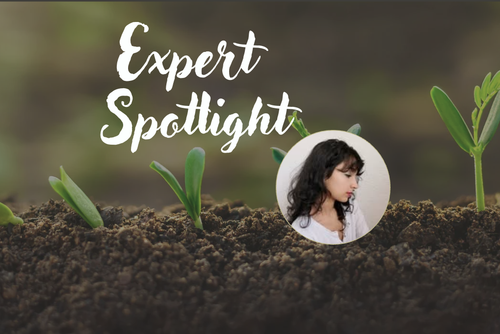
Malu (Marloes) Hernandez is a textile engineer and recent graduate in Environment & Resource Management currently based in the Netherlands. With a background in fashion and textiles and a growing interest in environmental sustainability, she founded Ethically Dressed, a platform focused on sustainable fashion. Through her blog and social media content, she researches and shares information about textile materials, production practices and ethical fashion brands, helping people better understand the industry and make more informed choices about what they wear. Lets hear her story.
1. “Could you share a pivotal moment or experience that ignited your passion for Climate Advocacy and sustainability?”
My interest in sustainability started with a fascination for fashion and textiles and how things are made. As a child, I made clothes for my dolls, and as a teenager, I was already checking the material labels in stores before buying anything. Partly out of curiosity about the materials, but also because I gravitated towards natural fibres and was pretty selective. So, when it was time to go to college, studying Textile Engineering felt like the obvious choice.
I started my studies simply because I wanted to understand how clothing is made, from materials to the final product. And I did learn all about that, but an unexpected lesson was learning about the environmental and social impact of the industry. I began to understand just how many resources go into making a single garment: from growing or producing fibres, to spinning yarn, manufacturing fabrics, dyeing, sewing, and eventually selling and disposing of the finished product. The amount of water, energy and chemicals involved, as well as the waste generated along the way, really opened my eyes. Not to mention the social impact and how many human hands are involved in the production. Visiting factories in Portugal and China during my studies made these processes feel much more tangible.
I realised that something as ordinary as buying a new piece of clothing has consequences that reach far beyond the shop itself. That awareness gradually changed the way I approached shopping and, a few years later, inspired me to start Ethically Dressed, where I share what I’ve learned about sustainable fashion with others.
So, it wasn’t one pivotal moment, but rather the first few years of studying textile engineering that ignited my passion for sustainability. It also showed me how important education is, and why I believe we should teach younger generations about the environmental and social impact of the things we use and buy every day.
2. “If you could implement one major policy or initiative or research to advance sustainability globally, what would it be and why?
If I could implement one major initiative to advance sustainability globally, I would invest in industrial hemp research and development, while creating policies that make it easier to grow, process and use this crop.
Hemp is one of the oldest cultivated crops in human history, but the 1937 Marihuana Tax Act in the United States and subsequent drug policies severely restricted hemp cultivation and contributed to decades of decline and limited innovation. Its botanical relationship to cannabis has contributed to misconceptions, as industrial hemp is not psychoactive. Although more and more people are starting to see this and hemp has been making a comeback in recent years, I think there is still a long way to go before we can fully explore its potential.
Since I have a background in fashion and textiles, I first became interested in hemp when I was researching alternative materials for the fashion industry. It has a lot of potential as a textile fibre, particularly as a sustainable alternative to cotton and synthetic materials like polyester. But hemp’s potential actually extends far beyond this industry.
Almost every part of the plant can be utilised: its fibres for textiles, construction materials and bioplastics; the seeds for food; and its biomass for biofuels. It can also contribute to more sustainable agriculture through relatively low pesticide requirements, its potential to improve soil health, phytoremediation, and carbon storage (hemp can absorb between 8 and 22 tonnes of CO₂ per hectare annually). What excites me most is how this one crop could support several industries at once.
Despite its potential, hemp still faces challenges, including limited processing infrastructure, economic barriers and restrictive regulations. I would love to see more people, scholars, corporations, and policymakers get behind this.
3. “What gives you hope for the future of our planet and the role of leadership in achieving a sustainable world?”
What gives me hope is the growing awareness of sustainability. When I started my sustainability journey almost ten years ago, the impacts of the fashion industry were not discussed nearly as much online. Thrift shopping was also still more commonly seen as a necessity than as a hobby or a way to build your entire wardrobe. Today, these conversations are becoming much more mainstream.
Of course, increased awareness doesn’t always translate into meaningful action, and sustainability has also become a greenwashing tool for many brands. But I sometimes receive messages from people who have changed their shopping habits or reconsidered fast fashion because of something I shared on Ethically Dressed. Even though my platform is relatively small, those moments remind me that speaking out in any way you can does make a difference.
I’ll admit that I often feel pessimistic and overwhelmed by climate news. Over time, I’ve learned that hope doesn’t necessarily mean believing we’re on the right track, because truthfully, most of the time I think we’re not. For me, it’s more about seeing that people are questioning the status quo and trying to find better ways of living in harmony with nature and everyone we share this planet with. Because that’s a nice way to live anyway, regardless of the outcome.
I also think we need to remember that we don’t have to solve everything alone. Leadership is important in turning ideas into meaningful change, but so is collaboration. We all have different knowledge and expertise, and I believe we can make much more progress by working together.
Closing thoughts
It’s easy to feel overwhelmed by the scale of the climate crisis and to feel like you have to do everything at once. But you don’t have to carry the weight of all the world’s problems on your shoulders. Find an area you’re passionate about, focus on what you can contribute, and trust that others are working on their own part too. Just take it one step at a time, and remember that doing something is always better than doing nothing.