By Calvin D. (University) Originally written in 2024
Renewable energy is energy derived from nature;
it plays a vital role in optimizing energy structures, protecting the ecological environment, and addressing climate change.
Humans have utilized renewable energy since ancient times – examples include the waterwheels of ancient China and the use of convex lenses to start fires in ancient Rome, both of which harnessed energy from the natural world.
Modern renewable energy sources include solar, wind, hydroelectric, geothermal, and biofuel energy.
Among these, the three sources with the largest shares of global new energy production are hydroelectric, wind, and solar energy.
Hydropower
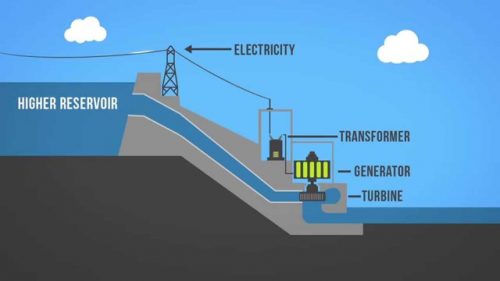
Hydropower currently accounts for the largest share of renewable energy worldwide, representing 16% of global electricity generation, and continues to grow at an annual rate of 2.7%. Prominent examples of world-class hydropower projects include the Hoover Dam in the United States and the Three Gorges Dam in China.
The underlying principle involves utilizing a dam to create the topographical conditions necessary for power generation; the dam creates a vertical drop by separating water levels, and valves control the flow of water from the higher elevation through turbines to the lower elevation, generating electricity as the water drives the turbines.
As the leading source of renewable energy today, hydropower offers key advantages such as low-cost water storage and a long operational lifespan—with many plants remaining functional 50 to 100 years after construction.
However, there are drawbacks: hydropower plants entail high construction costs, and the creation of reservoirs floods vast areas upstream, which can disrupt ecosystems and displace wildlife.
Wind Energy
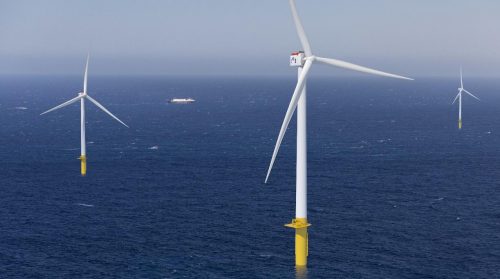
Wind energy is the second-largest source of new energy globally, accounting for 5% of total electricity generation and growing at an average annual rate of 14%.
Its operating principle is somewhat similar to that of hydropower, as both utilize the flow of a fluid to drive a turbine and generate electricity.
A key advantage of wind power is the predictability of wind direction and speed; engineers can program turbine orientation based on local climate data, allowing the turbines to automatically adjust their angle for optimal efficiency.
However, a drawback is that weather-related uncertainties can still arise despite these predictions, occasionally resulting in temporary shutdowns.
Solar Energy
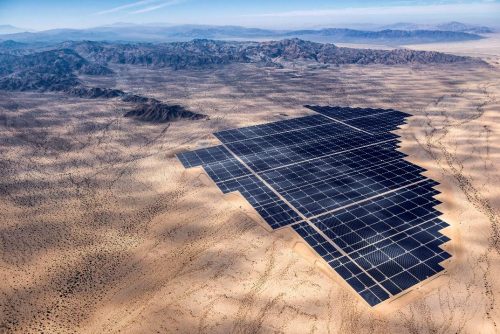
Solar energy is currently the fastest-growing form of new energy; while it accounts for 2% of global electricity generation, its average annual growth rate reaches as high as 30%.
It operates on the principle of using the photovoltaic effect to convert sunlight into direct current (DC) electricity. Solar power is an energy source closely integrated into our daily lives, and most countries worldwide are vigorously developing the solar industry.
Since the early 21st century, China has invested heavily in photovoltaic research and development, successfully lowering manufacturing costs and improving the efficiency of photovoltaic systems.
Today, in the United States, many businesses and even private homeowners interested in solar energy are choosing to invest in photovoltaic panels as a way to save on electricity costs and promote sustainable energy.
Disclaimer
All images coming from Web. Not original from author.