Interviewed By Ellie S. (11th Grade)
Enrique Elvas (Currently Lives in Argentina), an experienced high tech leader (Accenture, Cognizant) and used to serve as private secretary to the minister- Government of the Province of Chubut, who specializes in bridging technical innovation with high-impact global strategy. His commitment to “human-centric sustainability” is rooted in his firsthand research in Patagonia, which transformed his approach to advocating for resilient and responsible ecological stewardship. He’s a dedicated citizen who deeply cares for the environment. He participated in few initiatives related to urban recycling, education, and law development for the protection of natural forrest in Argentina.
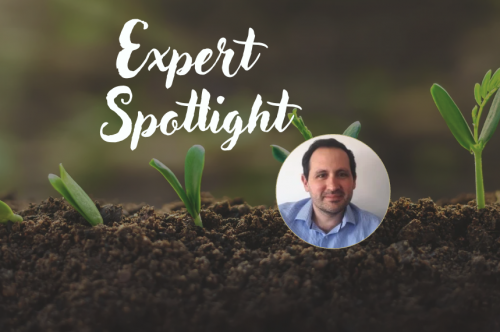
We are lucky to get his perspective all the way from Argentina.
Question 1: Could you share a pivotal moment or experience that ignited your passion for Climate Advocacy and sustainability?
Enrique: My turning point was in 2012 during a research initiative in Tierra del Fuego, Patagonia. I witnessed firsthand the devastating consequences of human ecological misinterpretation. In the 1970s, 25 pairs of beavers were introduced to the region for fur production. With no natural predators, their population exploded to over 100,000 within 30 years.
The main problem is that beavers heavily modify their ecosystem by building dams, modifying river streams, and chopping down ancient trees that take over a century to grow.
Seeing the raw effect of human intervention completely changed my perspective. It was a stark, physical reminder of how easily we can disrupt a delicate ecosystem and why we must advocate for its protection.
Question 2: What gives you hope for the future of our planet and the role of leadership in achieving a sustainable world?
Enrique: My hope stems from the shifting global consciousness. Climate change is the direct result of the uncontrolled misuse of natural resources, but we are seeing a massive surge in public awareness. People are no longer passive; they are demanding action from both the public and private sectors. Today, environmental sustainability is no longer an “extra”—it is a core pillar on the agenda of every major global organization. This collective pressure is what will drive leaders to transition from talk to systemic change.
Question 3: If you could implement one major policy or initiative to advance sustainability globally, what would it be and why?
Enrique: I would advocate for a dual-pronged approach focused on circularity and education. Specifically, I would implement:
- A Global Ban on Single-Use Plastics: Cutting the problem off at the source to protect our oceans and soil.
- Enhanced Recycling Incentives: Creating tangible benefits for sustainable waste management.
- Widespread Climate Education: Ensuring that future generations understand the “why” behind these policies, preventing the kind of ecological mistakes I witnessed in Patagonia.