By Cypress H. (5th Grade)
Connection between breeding kittens and wildlife
What does buying a kitten from a breeder have to do with overcrowded shelters and local wildlife? When most people think about a solid ecosystem, they often think about lush green forests, deep blue oceans, or an endangered species. Rarely do they ever think about cats. But, domestic cats are deeply connected to the ecosystems that humans create. From crowded shelters to disrupted wildlife populations, our preference for looks over health affects much more than just our pets. It affects the balance of the entire local ecosystem.
When someone chooses to buy a kitten from breeders instead of adopting from a good shelter, shelters quickly become overcrowded. Shelters do their best, but they have limited space and resources, and there’s only so many animals they can help. When they must make room for incoming animals, some shelters euthanize cats simply because there is nowhere else the cats can go.
Overcrowded shelters also mean there are fewer chances for a stray or feral cat to be rescued and placed in a home. If a shelter cannot take them in, they remain outdoors, struggling to survive and reproducing further, causing a rapidly growing stray cat population. Large stray and feral cat populations place significant pressure on local ecosystems. Because cats are natural hunters, high numbers of them can disrupt populations of their prey like birds, mice, and lizards. While cats are not to blame for their overpopulation, humans are responsible for creating the conditions that allow stray populations to grow. By choosing breeders over shelters, people contribute to this disruption in the ecosystem.
A truly healthy ecosystem depends on resilient cats who know how to take care of themselves
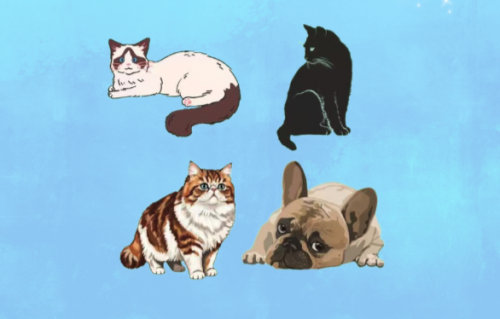
Another issue lies in how some cats are selectively bred for appearance rather than health. Flat-faced breeds such as Persians and British Shorthairs are often considered cute, because of their plush fur and round faces. Unfortunately, these traits come frequently with health problems. Many flat-faced cats suffer from breathing difficulties, hyperventilating, and trouble regulating their body temperature. These issues interfere with basic biological functions that a healthy cat would rely on to survive. These cats did not evolve this way, humans intentionally bred them this way for preferred physical traits.
A truly healthy ecosystem depends on resilient cats who know how to take care of themselves, even while being cared for by their owners. There are many reasons why getting a healthier cat can also help you, and save your credit card. A healthier cat is less prone to health issues means less medical bills and less frequent vet check-ups. Studies also show that a domestic shorthair or longhair cat can live up to two years longer than the average bred cat.
Unfortunately, cats are not the only animals humans have bred for appearance at the cost of their health. Dog breeds like French Bulldogs and Pugs also suffer from breathing conditions because of their flat-faces bred for appearance. The average French Bulldog has the lifespan of 10-12 years, though many experience shorter lifespans due to health complications. However, the average lifespan of a mixed breed dog is 12-16 years. Other brachycephalic dog breeds include Shih Tzus, Boxers, Boston Terriers, and Cavalier King Charles Spaniels, all share similar health vulnerabilities.
A choice that can help protect the ecosystem
Overcrowded shelters and appearance-focused breeding create ripple effects that harm animals and the local ecosystem around us.
By adopting a cat from a shelter, you give that animal a healthy home, reduce pressure on the shelter, and help maintain balance in your local ecosystem. Choosing to adopt a healthier cat saves a life and ensures a longer, happier life for your pet. Next time you or someone you know is considering getting a cat, remind yourself and others that health matters more than appearance — a choice that can even help protect the ecosystem.